
Redefining hydrotherapy for inclusive education

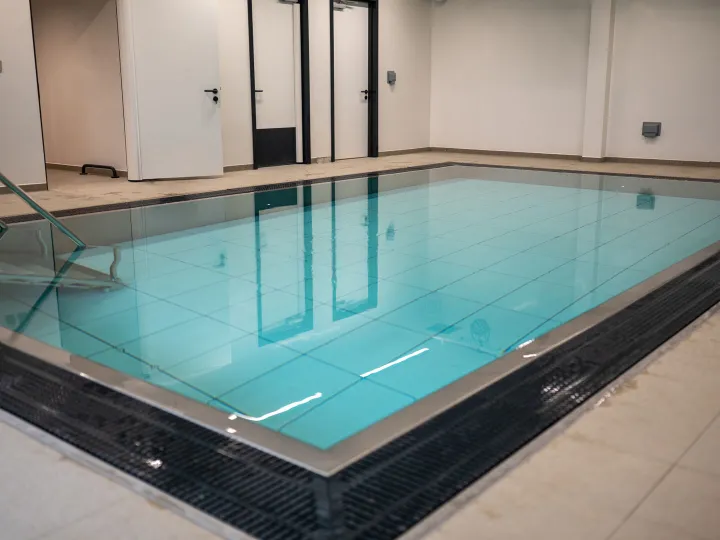 For wheelchair users or those requiring hoisting, the floor can rise to deck level, enabling safe and dignified transfers before being lowered smoothly to the desired depth.
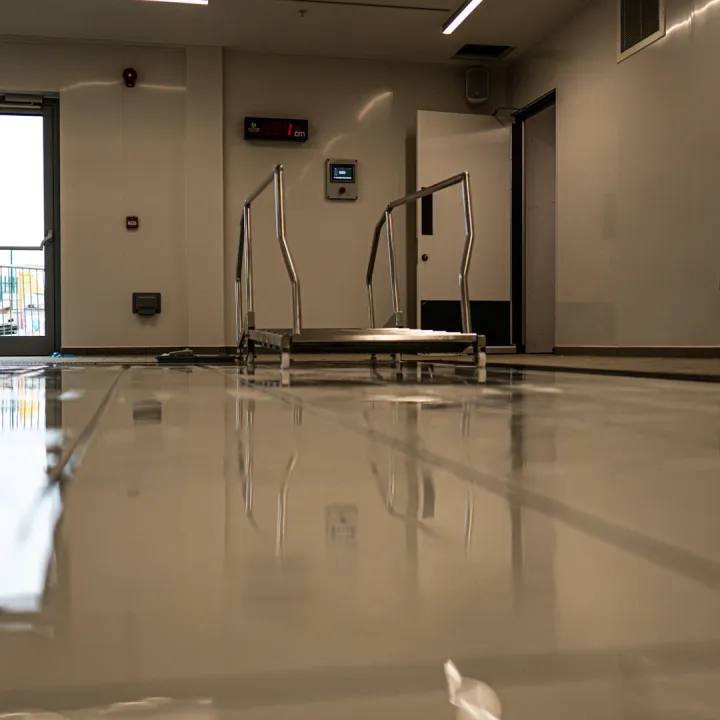 Clear visibility of water depth, controlled entry and exit, and predictable transitions all contribute to a safer environment for everyone involved.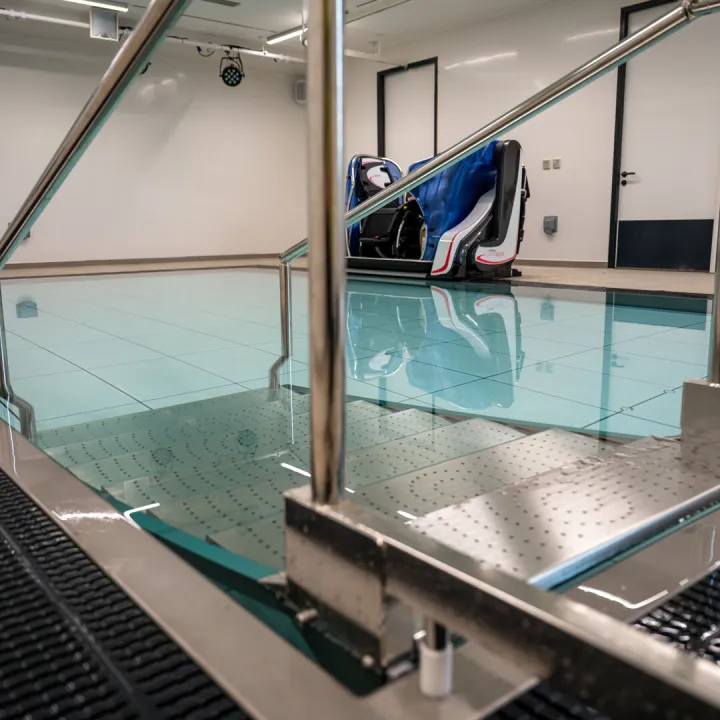
Inclusive design is most effective when it begins with listening. In specialist education settings, where pupils’ needs are complex and highly individual, successful environments are rarely created through off-the-shelf solutions. Instead, explains Joe Hulbert, Innova’s Client Relations Director, they emerge through collaboration and understanding how spaces will be used, who they are for, and how they can remain adaptable over time.
This collaboration approach underpinned the delivery of a new hydrotherapy pool at Oxlow Bridge School, which is now home to the first moving floor hydrotherapy pool approved by the Department for Education (DfE) for a school environment. The moving floor means that the base of the pool can be raised or lowered, allowing the depth of the water to be adjusted for each user. The project demonstrates how thoughtful, inclusive design can support education, therapy and wellbeing simultaneously, while meeting rigorous standards for accessibility and safeguarding.
Designing around real needs
Oxlow Bridge School supports pupils with complex physical, sensory and neurological needs, many of whom benefit significantly from therapeutic input as part of their educational experience. Hydrotherapy plays an important role in this, but traditional pool designs can present challenges, from fixed water depths to access constraints and increased manual handling requirements for staff.
From the earliest stages of the project, discussions focused on how the pool could work for pupils and staff alike. Rather than starting with a predetermined technical solution, the emphasis was on understanding daily routines, therapy goals and long-term aspirations for the space. This collaborative process helped define a brief rooted in flexibility, dignity and safety.
The result was a decision to incorporate a moving floor hydrotherapy pool, allowing the environment to adapt to the user, rather than the other way around.
A more flexible approach to hydrotherapy
The key advantage of a moving floor pool lies in its adaptability. Unlike traditional pools with fixed depths or sloping floors, the adjustable floor allows water depth to be set precisely for each session. This supports pupils of different sizes, abilities and therapeutic requirements within the same space.
For pupils who are standing, the pool can be set shallow to encourage balance and confidence. For wheelchair users or those requiring hoisting, the floor can rise to deck level, enabling safe and dignified transfers before being lowered smoothly to the desired depth.
This flexibility ensures hydrotherapy sessions can be tailored, progressive and inclusive; supporting a wide range of physical and sensory needs without compromise.
Supporting therapeutic and educational outcomes
The benefits of aquatic physiotherapy in SEN schools extend far beyond physical exercise. Warm water provides buoyancy, reducing the impact of gravity and allowing pupils to move more freely. This can support pain relief, increase joint mobility and enable movement that may be difficult or impossible on land.
At Oxlow Bridge, the hydrotherapy pool supports physical development, including strength, coordination and cardiovascular fitness. It also plays a role in the re-education of functional activities, such as balance, standing and walking – skills that contribute directly to independence and confidence.
Importantly, the pool also enables participation for pupils who may not be able to access traditional PE lessons. In the water, pupils can engage in shared activity and experience achievement in a way that feels inclusive rather than adapted.
The emotional and sensory benefits are equally significant. Hydrotherapy can promote emotional well-being, helping pupils to relax, regulate sensory input and build self-esteem. For some, the pool becomes a calming space that supports focus and engagement beyond the session itself.
Safety, dignity and staff wellbeing
Inclusive design must consider not only pupils, but also the staff who support them. Throughout the Oxlow Bridge project, careful attention was given to how the pool could reduce physical strain and support safe working practices.
The moving floor significantly reduces manual handling requirements, lowering the risk of injury and fatigue for staff. Clear visibility of water depth, controlled entry and exit, and predictable transitions all contribute to a safer environment for everyone involved.
Integration with ceiling hoisting systems allows transfers to take place at deck level, promoting dignity for pupils and confidence for staff. These practical considerations play a crucial role in ensuring therapy sessions are delivered consistently and safely.
Aligning with DfE guidance and future needs
One of the defining features of the Oxlow Bridge hydrotherapy pool is its alignment with DfE guidance on accessibility, safeguarding, and inclusive design. The approval of this moving floor pool represents an important step forward in how hydrotherapy provision is approached within school environments.
Crucially, the pool has been designed with the future in mind. As pupil profiles change and needs evolve, the adaptable nature of the moving floor ensures the space can continue to support a wide range of users without major alteration. This future-proof approach reflects responsible, long-term thinking in educational design.
Normalising inclusion through shared spaces
The hydrotherapy pool also plays a role in normalising inclusion within the school environment. By creating a space that can be used by pupils with a wide range of abilities, the pool avoids the need for separate or overly restrictive provision. Instead, it supports shared experiences, where pupils engage in activities together at a level appropriate to them.
This approach reinforces the idea that inclusion is not about creating special cases, but about designing environments that can respond flexibly to difference. In doing so, the pool becomes more than a therapeutic facility; it becomes a social and educational space that reflects the school’s wider values around equality, participation and belonging.
A shared commitment to inclusion
The completed hydrotherapy pool is a clear expression of Oxlow Bridge School’s commitment to inclusive education, wellbeing and holistic support. It demonstrates how environments can be designed to remove barriers, promote participation and support therapeutic goals alongside learning.
While innovative in its use of technology, the project’s success lies less in the equipment itself and more in the collaborative approach that shaped it. By prioritising understanding, flexibility and real-world use, the project team has delivered a space that responds to human needs rather than prescribing how those needs should be met.
Setting a benchmark through inclusive design
Although designed for an SEN school, the principles behind this project have wider relevance. Adaptable aquatic environments are increasingly being explored across education, healthcare and rehabilitation settings, where inclusivity and flexibility are essential.
Oxlow Bridge now provides a valuable reference point for what can be achieved when inclusive design principles are embedded from the outset – not as an afterthought, but as a foundation.
Taken together, these considerations show how inclusive aquatic design can operate as both a therapeutic and educational asset. When environments are designed to be adaptable, legible and supportive, they help remove barriers to participation and allow pupils to engage on their own terms. At Oxlow Bridge, the hydrotherapy pool demonstrates how careful design can quietly enable better outcomes without drawing attention to difference.
Looking ahead
As Client Relations Director at Innova, I have seen firsthand how thoughtfully designed environments can transform experiences for those who rely on them most. The Oxlow Bridge hydrotherapy pool demonstrates what can be achieved when innovation, guidance and genuine understanding of user needs come together.
This project is not just a first for the DfE – it is a signpost for the future of inclusive aquatic design in education. By placing adaptability, dignity and wellbeing at its core, Oxlow Bridge School has set a standard that others can now aspire to follow.